Pregnancy is a time of immense physical change, and as your body grows and shifts, finding comfortable and supportive clothing can become a challenge. Shapewear, often worn to smooth and shape the body, might seem like a quick fix to help with the discomfort of pregnancy, especially as your body changes shape. However, many expectant mothers wonder whether it’s safe to wear shapewear while pregnant. While shapewear can offer support and a more polished look, it’s important to consider the risks and benefits. Can tight-fitting garments harm your body or baby? In this guide, we’ll explore the safety of wearing shapewear during pregnancy, discuss the potential risks, and offer alternatives that prioritize comfort and health for both you and your baby.
What is Shapewear and How It Works
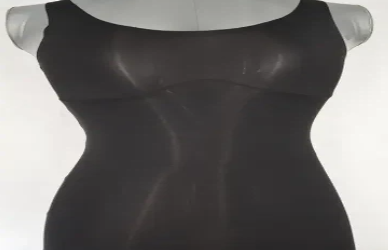
Shapewear is an undergarment designed to shape and support the body, creating a smoother, more toned silhouette. Typically made from stretchy, breathable fabrics like spandex and nylon, shapewear fits snugly around key areas, offering support and light compression. Its main functions are body shaping, contouring, and supporting areas like the waist, hips, and abdomen, resulting in a more defined, streamlined look.
1.Main Functions of Shapewear:
Body Shaping:
Shapewear smooths out lumps and bumps to create a sleek silhouette, especially under tight-fitting clothes, helping to avoid visible lines and imperfections.
Support:
Many shapewear styles provide extra support to the abdominal area, lower back, and thighs, reducing discomfort, improving posture, and offering relief during long periods of standing or sitting.
Contouring:
Shapewear gently compresses the waist and hips, enhancing curves and providing a more proportionate figure. It can lift the buttocks, flatten the stomach, and slim the thighs, depending on the design.
2.Types of Shapewear and Their Benefits:
High-Waisted Shapewear:
Designed to shape and smooth the waist and abdomen, offering tummy control and lower back support, ideal for dresses and pants.
Bodysuits:
Full-body shapewear targeting the entire torso, from bust to waist and hips. Excellent for creating a uniform, smooth silhouette.
Shaping Shorts or Briefs:
Focused on the waist, hips, and thighs, offering mild compression for everyday wear to smooth out legs and contour the waist.
Thigh Shapers:
Designed to shape the thighs and lower abdomen, these are perfect for smoothing legs under skirts or pants and providing support, especially for extended wear.
Waist Cinchers or Corsets:
Compress the waist to create an hourglass shape while offering back support. Ideal for dramatic shaping, often used for formal occasions or those seeking extra waist control.
The Risks of Wearing Shapewear While Pregnant
While shapewear can provide a smooth and supportive silhouette, wearing it during pregnancy carries certain risks that expectant mothers should consider carefully. As your body undergoes significant changes during pregnancy, it’s important to prioritize comfort and health. Below are the key risks associated with wearing shapewear while pregnant:
1. Restricted Circulation
Shapewear, particularly if it's too tight or compressive, can restrict blood flow to vital areas of the body. During pregnancy, increased blood volume and circulation are essential for both the mother and baby’s well-being. Tight shapewear can place undue pressure on the abdomen, waist, and lower limbs, impeding proper circulation. This may lead to discomfort, swelling, or even more serious issues like varicose veins or deep vein thrombosis (DVT) in some cases.
2. Pressure on the Abdomen
As your baby grows, your abdomen expands, and any pressure on the belly from tight-fitting shapewear can be uncomfortable and potentially harmful. This pressure can cause physical discomfort, restrict breathing, and in extreme cases, put unnecessary strain on the uterus. Wearing shapewear that compresses the abdomen may also contribute to a feeling of heaviness, potentially making it harder for the mother to move freely or sit comfortably.
3. Bloating and Digestive Issues
Pregnancy naturally slows down the digestive process, and the pressure from tight shapewear can exacerbate bloating and indigestion. Compression garments may push against the stomach and intestines, making it harder for food to pass through the digestive system efficiently. This can lead to discomfort, bloating, acid reflux, or constipation, which are common issues during pregnancy but can be worsened by wearing constricting shapewear.
4. Reduced Mobility and Discomfort
Shapewear, especially when worn for extended periods, can limit your range of motion. As pregnancy brings changes in posture and body shape, restrictive shapewear can make it harder to bend, move, or even walk comfortably. This can be particularly concerning during the later stages of pregnancy, when mobility is already compromised by the growing belly. Tight shapewear can also cause discomfort in the back and hips, contributing to the aches and pains that many pregnant women experience.
Is Shapewear Safe During Pregnancy?
Many expectant mothers wonder whether shapewear is safe during pregnancy, especially as their bodies change. While shapewear can provide support and a smoother silhouette, it’s important to approach its use with caution to ensure comfort and safety. Here’s when shapewear may be safe and how to choose the right fit.
1.When Shapewear May Be Safe to Wear
Early Stages of Pregnancy:
In the early months, when the bump is still small, light compression shapewear may be tolerable. It can provide some support and smoothness but should not be tight or restrictive. As your body changes, make sure the garment allows for growth.
Non-Compression Shapewear:
Non-compressive shapewear, such as maternity support bands or light tummy control garments, is a safer option. These offer support without putting pressure on the abdomen, helping relieve lower back pain and discomfort.
2.Choosing the Right Fit
Avoid Tight, Restrictive Garments:
Tight shapewear can restrict circulation, create pressure on the abdomen, and lead to discomfort. Choose garments that provide support without being overly compressive.
Opt for Breathable, Stretchable Fabrics:
Fabrics like cotton blends and soft spandex are ideal as they offer gentle support, allow room for growth, and help keep you comfortable.
Consider Maternity-Specific Shapewear:
Many brands offer shapewear designed for pregnant women. These garments provide support while leaving room for the growing belly and are made from breathable, flexible materials.
Alternatives to Shapewear for Comfort and Support
While shapewear offers a smooth silhouette, there are safer, more comfortable alternatives that provide support without the risks of tight compression. These options ensure comfort and health, particularly during pregnancy.
1. Maternity Support Bands
Maternity support bands are designed to alleviate pressure on the growing belly and lower back. They provide gentle support without compressing the abdomen, helping to improve posture and reduce back pain.
Benefits:
Eases lower back and pelvic pressure.
Supports the belly without constriction.
Adjustable and comfortable for all-day wear.
2. Comfortable Underwear
Opting for maternity briefs or seamless underwear made from breathable fabrics like cotton offers light support and comfort. These garments provide a smooth fit without the discomfort or restrictions of shapewear.
Benefits:
Soft, breathable fabrics prevent irritation.
Light support without pressure.
Comfortable for all-day wear, especially in warm weather.
3. Breathable Fabrics and Loose-Fitting Clothes
Clothing made from breathable materials like cotton and linen can replace shapewear. Loose-fitting clothes offer comfort and flexibility while reducing the need for tight garments that restrict movement.
Benefits:
Keeps skin cool and dry.
Allows full range of movement.
Reduces pressure on the abdomen and hips.
4. Maternity Compression Garments
Light compression garments designed for pregnancy can provide support to areas like the lower back and legs. These garments improve circulation and reduce swelling without putting pressure on the abdomen.
Benefits:
Reduces swelling and improves circulation.
Targets specific areas like the back and legs.
Safe and comfortable for pregnancy.
Expert Opinions and Guidelines for Wearing Shapewear During Pregnancy
Shapewear can provide support and a smoother silhouette, but during pregnancy, comfort and health should always come first. Here’s expert advice on when shapewear might be appropriate and what to consider before wearing it.
1.When Is Shapewear Appropriate During Pregnancy?
Early Stages (First Trimester):
In the first trimester, when the belly is still small, light shapewear may be suitable. It can offer support without applying pressure to the abdomen. However, it’s important to choose non-compressive, comfortable styles.
Mid to Late Pregnancy (Second and Third Trimesters):
As pregnancy progresses, wearing tight, compressive shapewear should be avoided. Experts recommend selecting maternity-specific shapewear, which is designed to provide light support without restricting the growing belly or causing discomfort.
2.Key Factors to Consider Before Wearing Shapewear During Pregnancy
Comfort:
Comfort is the top priority. Shapewear should not be tight or cause discomfort. If it feels restrictive, it could hinder circulation or create unnecessary pressure on the abdomen.
Fit and Size:
Choose shapewear that fits your changing body. Maternity shapewear is designed to accommodate growth and prevent tightness around the waist, hips, or thighs.
Fabric and Material:
Look for breathable, stretchy fabrics like cotton blends or spandex. These materials allow for movement and prevent skin irritation.
Stage of Pregnancy:
In the early stages, light shapewear can be fine. However, in the later trimesters, focus on flexibility and comfort, avoiding tight garments.
Health Considerations:
Always consult your healthcare provider if you have any pregnancy-related conditions. Certain shapewear may not be suitable for those with swelling, gestational diabetes, or high blood pressure.
FAQ:
1.Can shapewear be worn during the early stages of pregnancy?
Yes, shapewear can be worn in early pregnancy, but it's important to choose styles that provide support without being tight or restrictive.
2.What are the best types of shapewear for pregnant women?
Look for maternity shapewear with gentle compression, breathable fabrics, and support bands that don’t restrict circulation or pressure the abdomen.
3.Can wearing shapewear cause harm to the baby?
Tight shapewear that compresses the abdomen may restrict blood flow, but non-compressive styles are generally safe as long as they are comfortable.
4.How long can I safely wear shapewear during pregnancy?
It’s best to limit the time spent wearing shapewear and avoid it during long periods of rest or sleep. Always ensure comfort and listen to your body.
Conclusion
During pregnancy, it’s essential to prioritize comfort and health over fashion when choosing shapewear. As your body undergoes significant changes, listening to your body’s signals is key—if shapewear feels restrictive or uncomfortable, it’s important to remove it and opt for something more comfortable. While shapewear can offer support and a smoother silhouette, it’s crucial to avoid tight, compressive garments that could restrict circulation or put pressure on your growing belly. Maternity-specific shapewear, breathable fabrics, and proper fit are all important factors to ensure comfort and safety. Remember to consult your healthcare provider if you have any concerns or conditions that might make shapewear less suitable. Ultimately, pregnancy is a time to focus on well-being, and choosing comfort should always come first for both you and your baby.


